
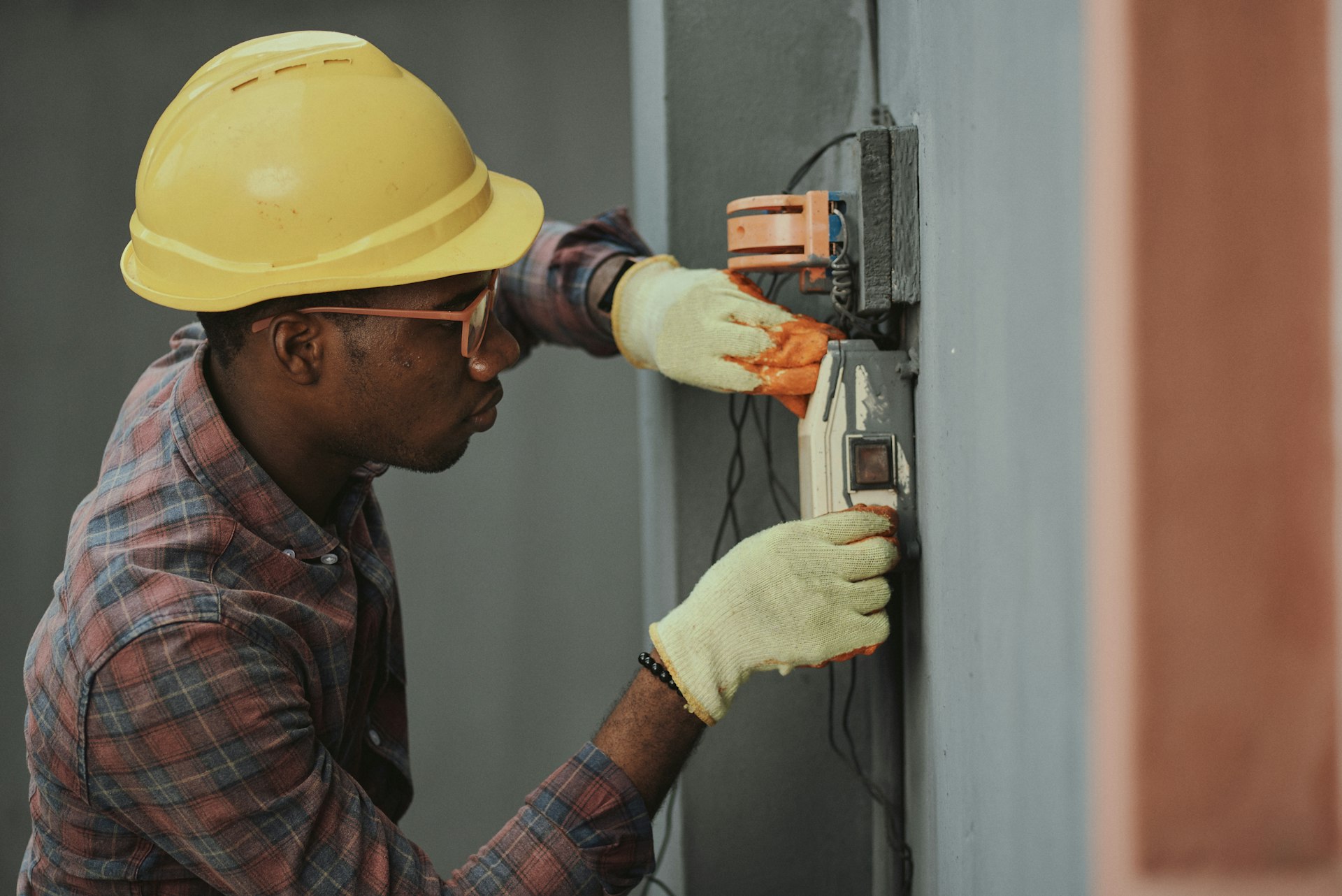
A symptom is a starting point, not a diagnosis
Loss of power, flickering, recurring protective-device trips or a damaged device can have different causes. The useful information is what happened, where and when, not a guess made from equipment age. A Licensed Electrical Contractor should assess the installation within a defined diagnostic scope and explain the identified cause before repair work is approved.
Prepare the scope for your Bowmanville property
Describe the original and current behaviour, affected locations and any repair history. Stop using visibly damaged equipment and do not repeatedly recreate the symptom to obtain better photographs.
Ask how the cause will be identified and how necessary repairs will be separated from optional upgrades. Agree on diagnostic charges and approval before additional work is undertaken.
What should the assessment establish?
For a Bowmanville fault with previous repair history, ask the provider to explain how the new findings relate to the earlier work. A recurring symptom may indicate an unresolved cause, a different issue or a changed use, and the record should distinguish them. Request the diagnostic result and the correction now proposed. If a larger alteration is suggested, ask whether it is necessary for the fault or a separate improvement. This keeps the authorization tied to evidence and avoids accepting repeated equipment replacement simply because the same broad symptom has appeared again.
Questions before you agree to work
Can the price be confirmed from a description?
A description helps define the first assessment, but it may not establish the cause or repair scope. Ask what the initial charge covers and how a further quotation will be approved.
Does this site provide emergency dispatch?
No. The form is reviewed as an enquiry and does not provide urgent attendance. Immediate danger belongs with emergency services; arrange electrical work directly with a Licensed Electrical Contractor.