
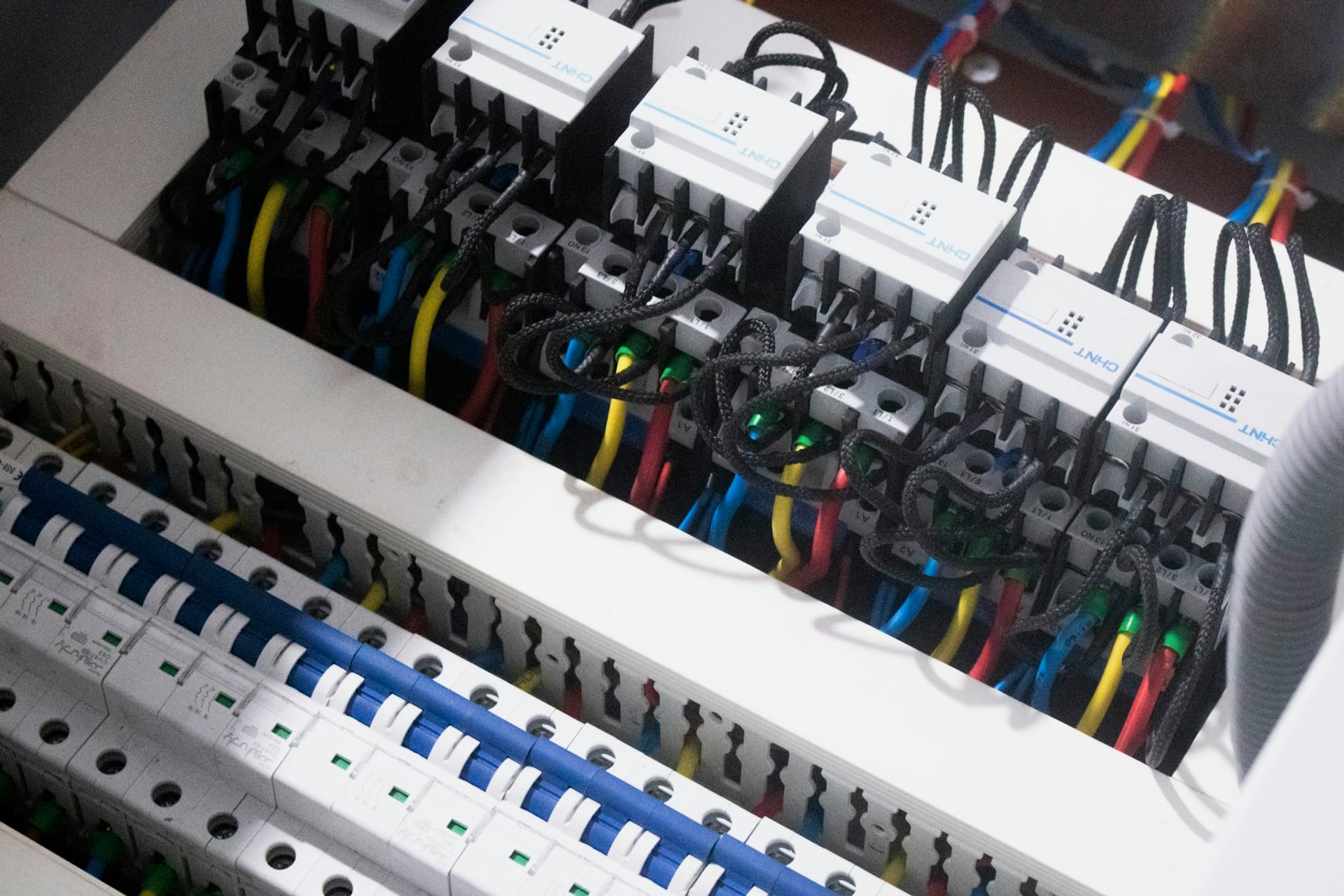
A panel and an electrical service are different parts of the system
The panel distributes electricity to property circuits. The service is the incoming supply and associated equipment. Replacing a panel does not automatically increase the available supply. A Licensed Electrical Contractor should assess existing condition and demand, planned loads and the utility requirements before recommending equipment. Spare breaker spaces alone do not establish capacity.
Prepare the scope for your Bowmanville property
Explain which equipment is being added and why the existing panel is a concern. Provide prior records if available and distinguish a known fault from a general wish to modernize.
Ask what the proposed work resolves and whether the incoming supply changes. A written explanation helps you compare a targeted correction with a larger replacement without relying on the appearance of old equipment alone.
What should the assessment establish?
For a Bowmanville retrofit, ask whether each recommendation addresses a confirmed condition, the new load or a convenience improvement. Keeping those reasons separate helps compare retaining assessed equipment with replacing it. If the panel is changed, request an account of the existing circuits and any other components affected. A different appearance or more modern label is not the entire project outcome. The scope should identify the capacity or condition question answered, the utility work if required and any remaining concern that still needs its own assessment after the panel work is complete.
Questions before you agree to work
How do I separate a panel fault from a modernization request?
Explain what is wrong, which equipment is being added and any earlier findings at the Bowmanville property. Keep an observed fault separate from an interest in newer equipment so each recommendation has a clear purpose.
What should justify replacing more than the panel?
Ask which confirmed condition the larger scope resolves and whether the incoming supply changes. Compare a targeted correction with replacement on the written findings instead of using the appearance of older equipment as the diagnosis.